Beschrijving
In an analysis of political, economic, and social development in Peru in the years between 1980 and 2016, this book explores the failure of the socialist Left to realize its project of revolutionary social transformation.
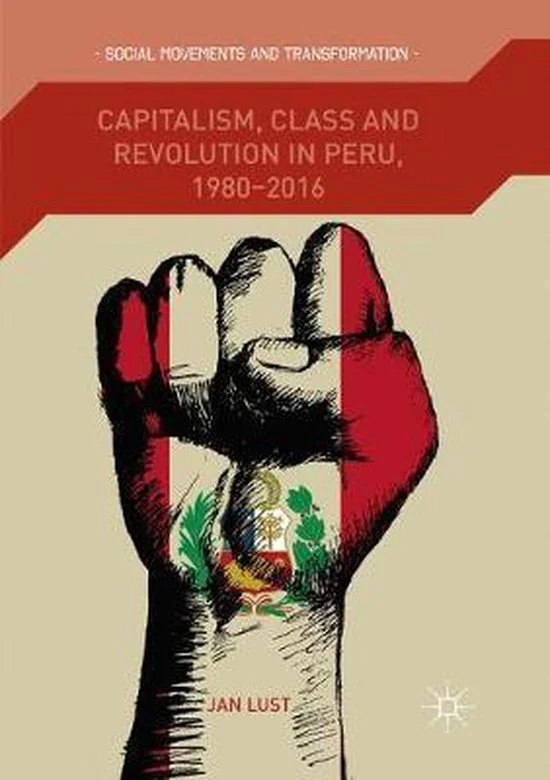
In an analysis of political, economic, and social development in Peru in the years between 1980 and 2016, this book explores the failure of the socialist Left to realize its project of revolutionary social transformation. Based on extensive interviews with leading cadres in the struggle for revolutionary change and a profound review of documents from the principal socialist organizations of the 1980s and 1990s, the volume reveals that the socialist Left did not fully comprehend the deep political and social implications of changes to the country’s class structures. As such, the Left failed to develop and implement adequate strategic and tactical responses to the processes that eroded its political and social bases in the 1980s and 1990s, ultimately leading to its loss of social and political power. Lust concludes that the continued political and organizational agony of the Peruvian socialist Left and the hegemony of neoliberalism in society is a product of the dialectical interplay between the objective and subjective conditions that determine Peruvian capitalist development.
In an analysis of political, economic, and social development in Peru in the years between 1980 and 2016, this book explores the failure of the socialist Left to realize its project of revolutionary social transformation. Based on extensive interviews with leading cadres in the struggle for revolutionary change and a profound review of documents from the principal socialist organizations of the 1980s and 1990s, the volume reveals that the socialist Left did not fully comprehend the deep political and social implications of changes to the country’s class structures. As such, the Left failed to develop and implement adequate strategic and tactical responses to the processes that eroded its political and social bases in the 1980s and 1990s, ultimately leading to its loss of social and political power. Lust concludes that the continued political and organizational agony of the Peruvian socialist Left and the hegemony of neoliberalism in society is a product of the dialectical interplay between the objective and subjective conditions that determine Peruvian capitalist development.